Articles

Preparing for the Transition From Preschool to Primary School

Preparing for the Transition From Preschool to Primary School

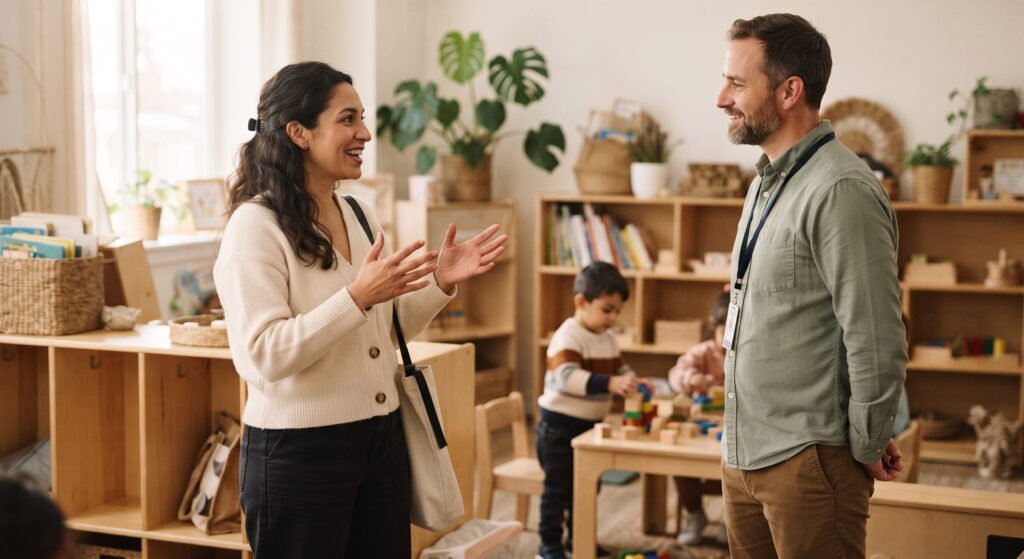
Treat the move to school as a gradual, connected pathway Preparing for primary school works best when adults build familiarity, share useful information and protect the child’s sense of identity and competence. Visit the school, learn the real routines, practise a few purposeful self-help skills and keep early learning rich

Read More »
What Does School Readiness Really Mean?

What Does School Readiness Really Mean?

School readiness is a broad foundation, not a worksheet score School readiness includes wellbeing, belonging, communication, curiosity, relationships, self-help and confidence in unfamiliar situations. It is not a requirement that a child can already read, write or complete formal schoolwork. The strongest preparation connects home, early learning and the receiving

Read More »
Science and Technology Exploration in Early Childhood

Science and Technology Exploration in Early Childhood

Science and technology begin with curiosity, tools and design Early science involves observing, wondering, predicting, testing and revising ideas about the natural, physical and social world. Technology includes tools, materials, systems and designs created to meet purposes; it is not limited to screens. Hands-on investigation should lead, while carefully chosen

Read More »
Supporting Children Who Communicate in Different Ways

Supporting Children Who Communicate in Different Ways

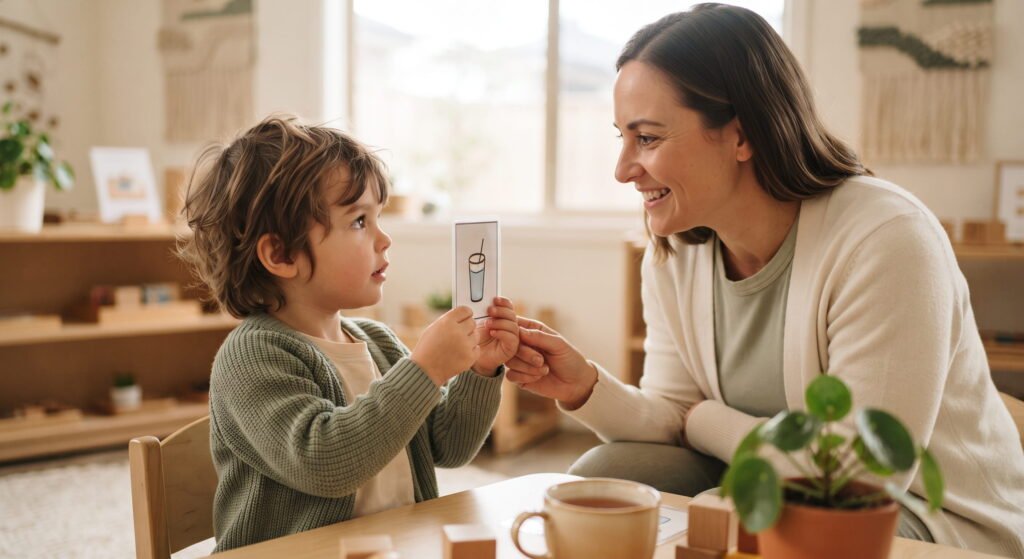
Communication includes every reliable way a child shares and understands meaning Children may communicate through speech, sounds, facial expression, body movement, gesture, signs, home languages, pictures, objects, writing or augmentative and alternative communication. Inclusive adults notice and respond to these methods, allow processing time, model without demanding imitation and ensure

Read More »
Early Maths Through Sorting, Building, Patterns and Play

Early Maths Through Sorting, Building, Patterns and Play

Early maths is purposeful thinking throughout play Children meet maths while comparing quantities, sorting objects, building in space, noticing patterns, measuring, locating and predicting. Kaiako can make this thinking visible through precise language, useful tools and questions linked to the child’s purpose. Early maths is not limited to reciting numbers

Read More »
How Families, Kaiako and Specialists Can Work Together

How Families, Kaiako and Specialists Can Work Together

Collaboration works when goals, roles, consent and communication are explicit Families, kaiako and specialists can work together by sharing strengths and observations, choosing meaningful participation goals, clarifying each person’s role and reviewing strategies in everyday contexts. Consent determines what information is shared. Professional recommendations should be understood and translated into

Read More »
Early Literacy Through Stories, Songs and Everyday Play

Early Literacy Through Stories, Songs and Everyday Play

Early literacy is meaningful communication before formal reading Early literacy grows as children enjoy books, hear and create stories, sing, talk, notice symbols, experiment with marks and see reading and writing used for real purposes. It includes first and additional languages and many ways of making meaning. Play-based literacy builds

Read More »
How Children Build Friendships at Childcare

How Children Build Friendships at Childcare

Friendships grow through repeated shared experiences Young children build friendships by seeing one another regularly, discovering shared interests, communicating invitations, solving problems and repairing misunderstandings. Adults can create conditions for connection and support access to play, but they should not assign best friends or force social performance. Friendship patterns change,

Read More »
Supporting Emotional Regulation in Early Childhood

Supporting Emotional Regulation in Early Childhood

Young children learn regulation through co-regulation Emotional regulation is the developing ability to understand, express and manage feelings and behaviour with increasing flexibility. Young children first rely heavily on calm, responsive adults. Predictable routines, emotion language, sensory and movement options, realistic expectations and repair after difficult moments can support growth.

Read More »