Articles

Mana Tangata: Supporting Contribution and Fair Participation

Mana Tangata: Supporting Contribution and Fair Participation

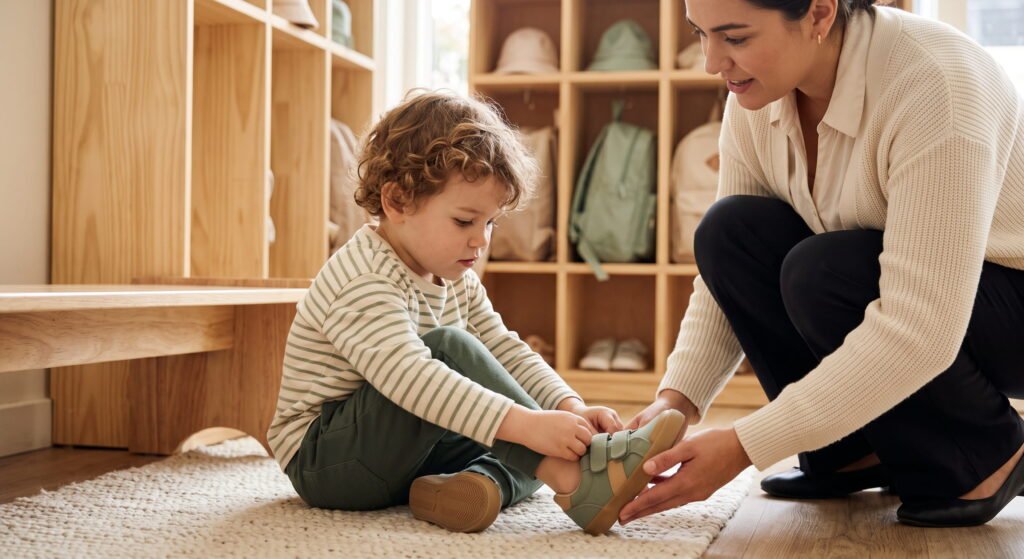
Fair participation values difference rather than erasing it Mana tangata | Contribution supports equitable opportunities for children to learn with and alongside others, draw on their strengths and have their ideas valued. Equity is not giving every child an identical role. It means noticing barriers, adapting environments and relationships, challenging
Read More »
Mana Whenua: Helping Children Build Belonging

Mana Whenua: Helping Children Build Belonging

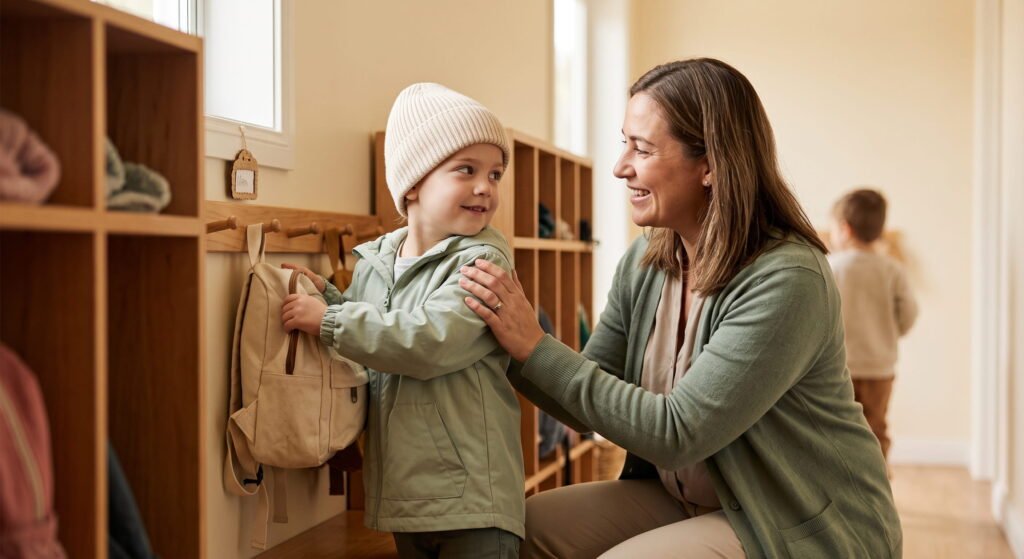
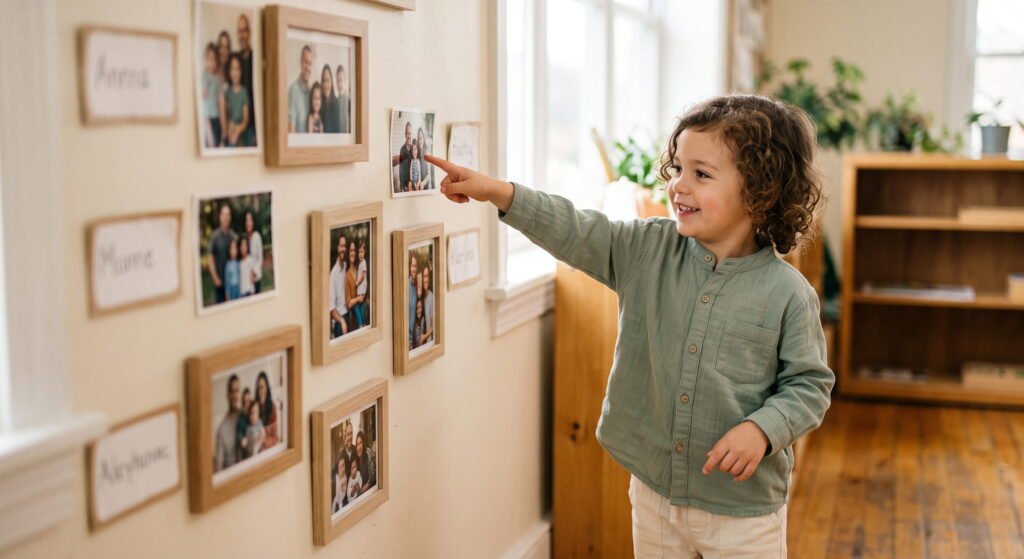
Belonging tells a child: you have a place here Mana whenua | Belonging is strengthened when children and whānau are welcomed, their identities and languages are visible, routines are dependable, and connections with home, community and place are respected. Belonging is more than settling quickly; it grows as children participate,

Read More »
Mana Atua: Supporting Children’s Wellbeing in Early Learning

Mana Atua: Supporting Children’s Wellbeing in Early Learning

Wellbeing is protected through responsive everyday practice Mana atua | Wellbeing concerns children’s health, emotional security, safety, resilience and growing self-care. It can be seen in warm relationships, calm routines, responsive attention, suitable challenge and respect for cultural understandings of hauora. Strong practice neither removes every difficulty nor expects children

Read More »
The Five Strands of Te Whāriki and What They Mean for Children

The Five Strands of Te Whāriki and What They Mean for Children

The strands are connected areas of learning Te Whāriki‘s five strands are Mana atua | Wellbeing, Mana whenua | Belonging, Mana tangata | Contribution, Mana reo | Communication, and Mana aotūroa | Exploration. They help kaiako design environments and recognise learning over time. A single experience can involve several strands,

Read More »
Gardening and Nature Exploration in Early Learning

Gardening and Nature Exploration in Early Learning

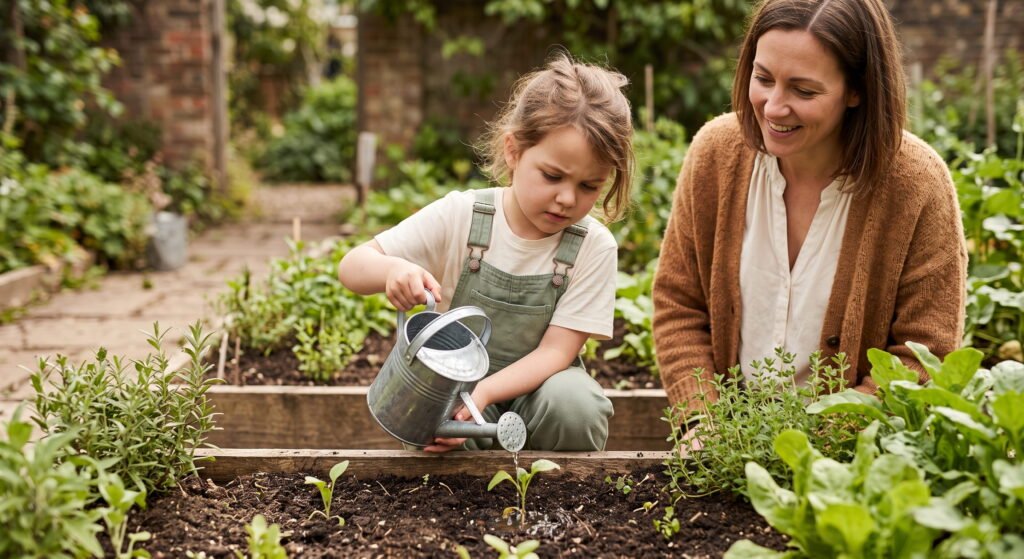
Nature offers slow, observable change Gardening and nature exploration can help children observe living systems, develop vocabulary, practise care and ask scientific questions. Planting, watering, comparing growth and noticing seasons make change visible over time. Experiences must use safe materials and suitable supervision, and families should confirm what gardening or

Read More »
Why Outdoor Play Is Essential in Early Childhood

Why Outdoor Play Is Essential in Early Childhood

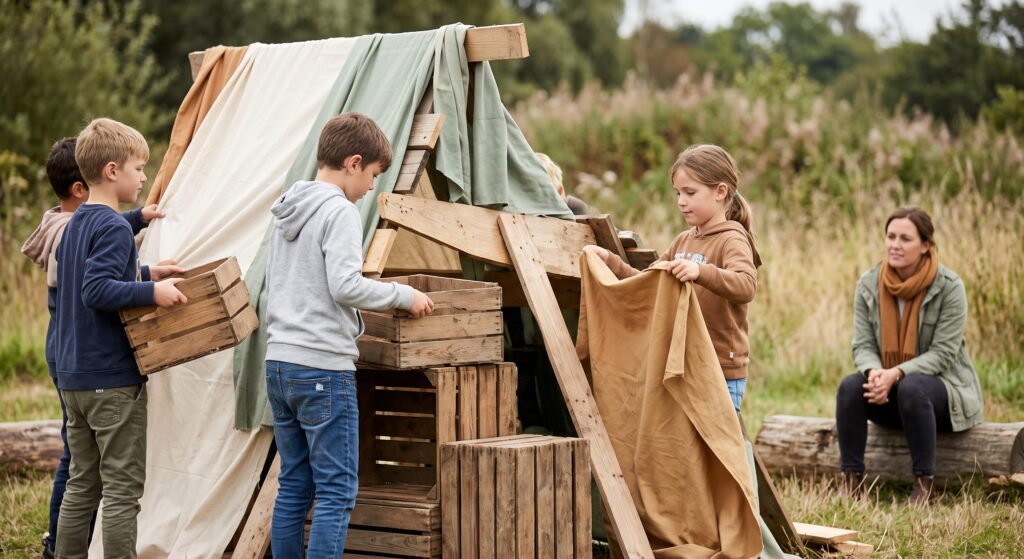
Outdoor play is a core learning environment Outdoor play supports movement, confidence, cooperation, curiosity and connection with the natural world. It also creates space for science, mathematics, storytelling and large-scale construction. A strong programme combines meaningful challenge with active supervision, safe equipment, weather-responsive decisions and ways for energetic, quiet and

Read More »
Dramatic Play: Building Language, Imagination and Social Skills

Dramatic Play: Building Language, Imagination and Social Skills

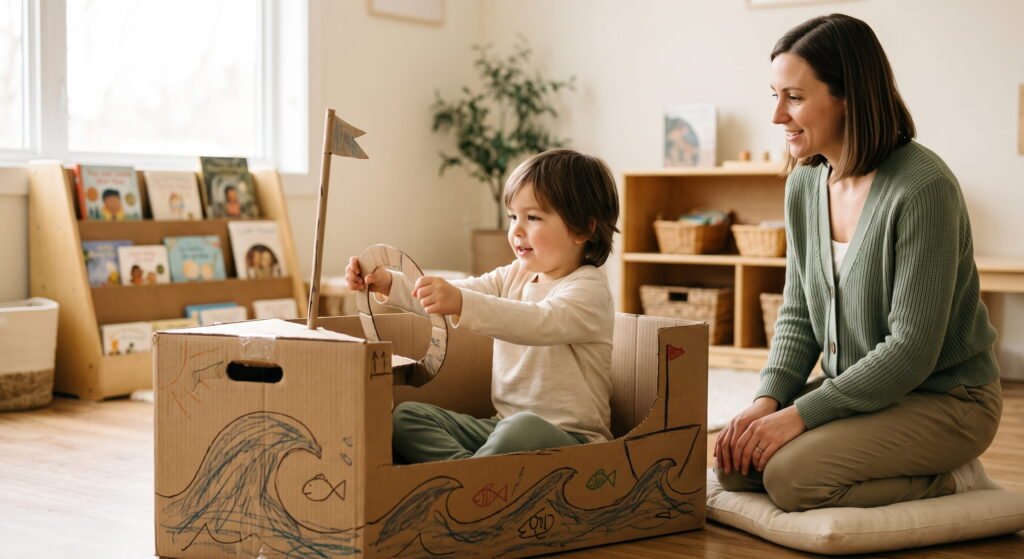
Pretend play is a rehearsal space for ideas and relationships Dramatic play lets children transform objects, take roles and build shared stories. As they decide what a space means and what happens next, they use language, imagination, memory, negotiation and emotional understanding. Kaiako enrich the play with inclusive resources, careful

Read More »
What Children Learn Through Construction, Blocks and Puzzles

What Children Learn Through Construction, Blocks and Puzzles

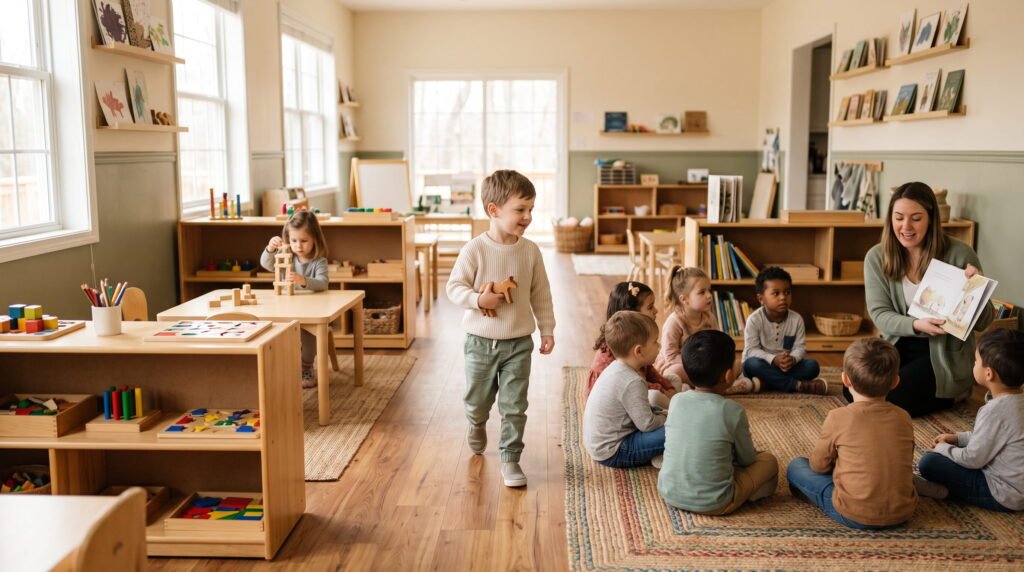
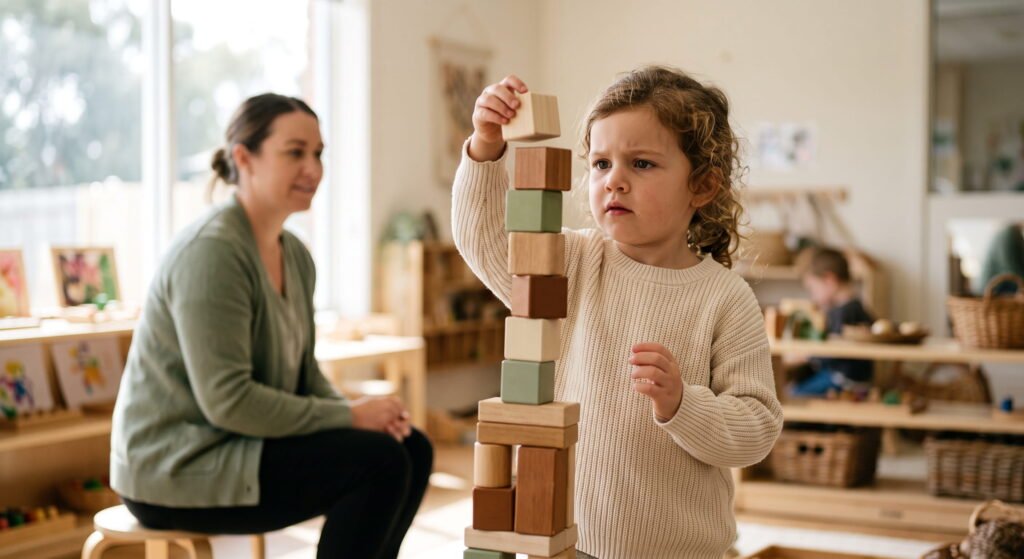
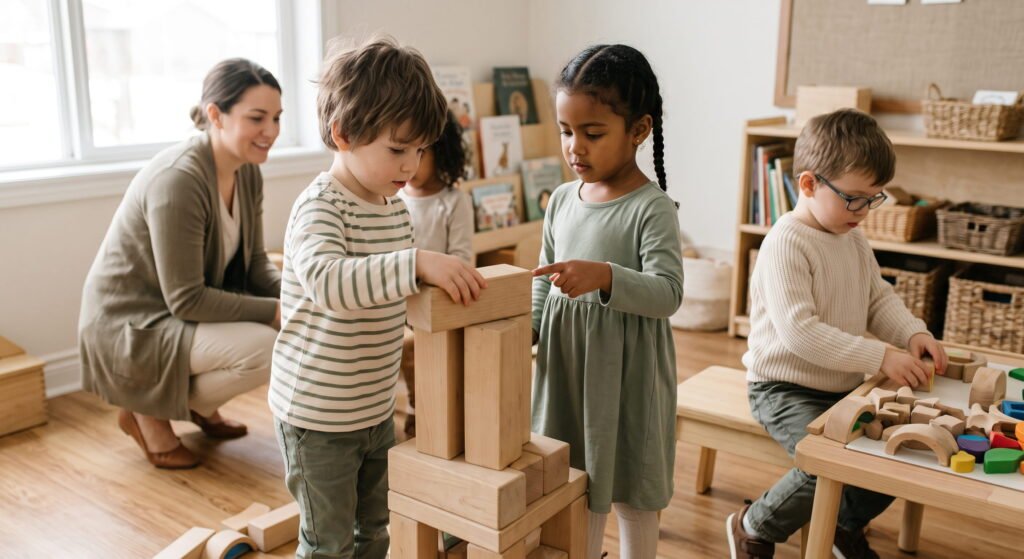
Building and puzzles turn ideas into visible problems Blocks, construction materials and puzzles invite children to plan, compare, rotate, balance, connect and revise. These experiences can support spatial thinking, early mathematics, language, persistence and cooperation. The most valuable learning often happens before completion, when a child tests why something failed

Read More »